
Published on
January 4, 2026
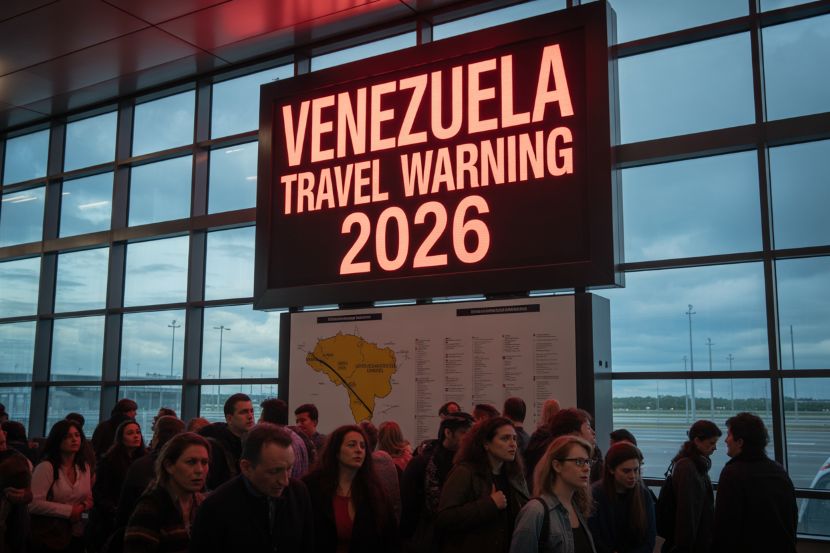
In 2026, Venezuela has become a hotspot of concern for international travellers. The UK, US, Canada, Australia, and India have all issued urgent travel advisories due to heightened security risks, stemming from political instability, civil unrest, and escalating violence. These warnings have had a profound impact on tourists and business travellers, disrupting flights, cruise itineraries, and corporate travel schedules. Citizens of these countries are urged to avoid all travel to Venezuela and seek immediate departure if already there. Safety and security remain the primary concerns for governments worldwide.
For ordinary travellers, the situation has shifted rapidly from a regional concern to a global warning. Families planning a South America itinerary now face the realities of cancelled flights and airspace closures across northern South America and the Caribbean. Business travellers in sectors such as energy and logistics are also reassessing their plans as corporate mobility policies adapt to the evolving risk landscape.
Countries with Active “Do Not Travel” or Urgent Advisories
United States:
The U.S. Department of State has classified Venezuela as Level 4 – Do Not Travel due to severe risks including violent crime, civil unrest, kidnapping and poor health infrastructure. U.S. citizens held in the country are advised to depart immediately where safe and possible, and consular services remain suspended.
United Kingdom:
The UK Foreign, Commonwealth and Development Office (FCDO) currently advises against all travel to Venezuela, citing the uncertain security situation and recent reports of explosions around the capital Caracas. British nationals in the country are advised to stay informed, shelter in place and prepare emergency departure plans.
Canada:
Canada has updated its travel guidance to urge citizens to avoid travel to Venezuela after military strikes and potential border closures. Canadians present in Venezuelan territory are encouraged to stay updated with local security developments and Air Canada has introduced flexible rebooking policies for affected travel plans.
Australia:
The Australian Government warns citizens not to travel to Venezuela due to the country’s volatile security situation, rampant crime and risk of arbitrary detention. There is limited consular assistance available and airspace or borders could close at short notice.
India:
India’s Ministry of External Affairs has issued an urgent advisory recommending Indian passport‑holders defer all non‑essential travel to Venezuela, urging those currently in the country to monitor updates closely and maintain regular contact with the Indian Embassy.
Ireland:
Ireland’s Department of Foreign Affairs similarly advises against all travel to Venezuela as part of its official overseas travel guidance.
Other countries in the European Union and beyond are closely monitoring the situation, with Germany emphasising a political resolution and also issuing travel warnings.
Impact on Tourists and Business Travel
Tourist Travel Disruptions:
Ongoing military actions and sudden airspace closures have resulted in cancelled flights across the Caribbean and northern South America, with holiday travellers in destinations such as Puerto Rico, Aruba or Barbados affected by disruptions and changes to connections. Cruise itineraries have also been impacted as regional waters experience heightened restrictions.
Business Travel Risk:
Companies with operations or partnerships in Venezuela are re‑evaluating risk profiles. Mobility and evacuation plans are being reviewed by corporate travel managers, especially for sectors such as oil and gas, IT and commodity trading that previously maintained expatriate assignments in Caracas or elsewhere. Travel insurance policies may exclude war‑ related incidents, requiring specialised coverage or riders for corporate travellers.
Quick Safety Tips for Tourists and Travellers
- Avoid all non‑essential travel to Venezuela until advisories are lifted.
- Check airline policies for flexible booking or refunds if your itinerary includes or connects through Venezuelan airspace.
- Register with your embassy or foreign office travel enrolment program to receive real‑time alerts.
- Keep travel insurance updated, especially evacuation coverage and emergency medical assistance.
- Monitor local news and international advisories for developments if you are already in the region.
Step‑by‑Step Guidelines for Affected Travellers
For Tourists:
- Step 1: Contact your travel provider or airline for itinerary updates or alternate routing.
- Step 2: Verify travel insurance covers evacuation and crisis response.
- Step 3: Avoid entering Venezuela by land or air until official advisories change.
- Step 4: Stay informed through government travel advisory portals.
- Step 5: Have contingency plans in place in case of sudden closures of borders or airspace.
For Business Travellers:
- Step 1: Review corporate risk assessment and defer non‑urgent travel.
- Step 2: Ensure employees enrolled in tracking tools and emergency outreach programs.
- Step 3: Coordinate with local partners to assess on‑ground security conditions.
- Step 4: Confirm medical and evacuation cover, including high‑risk incident clauses.
- Step 5: Consider remote work alternatives or temporary relocation if operationally feasible.
Key Points
- Multiple governments have issued urgent advisories against travel to Venezuela.
- Travel disruptions include flight cancellations and airspace closures.
- Risks include violent crime, civil unrest and political instability.
- Both tourist and business travel are significantly affected.
- Travellers should prioritise safety, insurance and flexible itinerary options.
The urgent travel advisories reflect the growing concern for tourists and business travellers, with Venezuela’s security situation worsening in 2026. Governments are prioritising citizen safety by halting all non-essential travel. The heightened risks continue to disrupt tourism and business travel alike, making it crucial for international travellers to heed the warnings and reconsider their plans.
Disclaimer: The Attached Image in This Article is AI Generated

